Perez Hilton live video on Tiktok and X/Twitter, Reddit
LOS ANGELES — In the ever-evolving, chaotic landscape of modern internet culture, few figures have managed to remain a fixture of public fascination quite like Perez Hilton. Rising to fame in the mid-2000s as the self-described “Queen of Hollywood Gossip,” Hilton built an empire out of celebrity snark, MS Paint doodles, and notorious digital call-outs. Over the years, the internet has shifted, and so has Hilton, transitioning from his peak blogging era to various social media platforms.
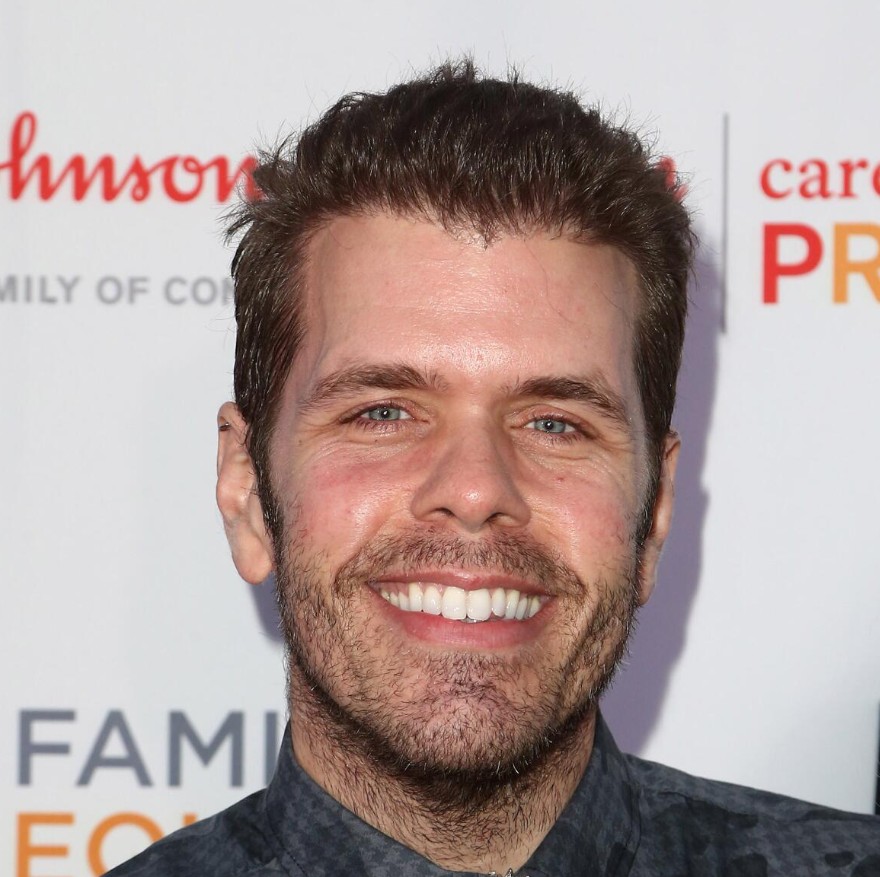
However, his latest digital venture has crossed a line that even his most seasoned followers found difficult to digest. In a recent, unhinged broadcast on TikTok Live, Hilton shocked thousands of concurrent viewers by engaging in erratic, bizarre behavior, culminating in an appearance covered head-to-toe in a fake blood-like substance. The incident has reignited a fierce online debate about the depths to which public figures will sink for attention, the algorithmic incentives of short-form video platforms, and the urgent need for better mental health boundaries in the digital age.
Contents
The Evolution of a Digital Shock Jock and Video
To understand the shock value of Hilton’s recent TikTok broadcast, one must first contextualize his career trajectory. In the mid-2000s, Perez Hilton (born Mario Armando Lavandeira Jr.) was one of the most powerful and feared entities in entertainment media. Operating from his website, PerezHilton.com, he pioneered a brand of celebrity journalism defined by neon highlighters, crude nicknames, and relentless mockery of young Hollywood starlets like Britney Spears, Lindsay Lohan, and Paris Hilton.
Perez Hilton full live video on Tiktok
Back then, the internet was the Wild West. Cyberbullying policies did not exist in any meaningful way, and accountability was rarely enforced. Hilton reveled in the controversy, weaponizing his platform against celebrities he felt deserved public humiliation. Over time, however, cultural attitudes shifted dramatically. Society began to recognize the severe psychological toll that relentless public scrutiny and harassment took on young celebrities. Faced with declining traffic, public backlash, and boycotts, Hilton attempted to rebrand. He spoke out against his past behavior, claimed to have turned over a new leaf, and tried to position himself as a more empathetic, family-friendly influencer and commentator.
Yet, despite these intermittent attempts at redemption, the allure of viral shock value has repeatedly pulled him back into the spotlight. As platforms evolved from text blogs to YouTube, Instagram, and finally TikTok, the rules of engagement changed. On TikTok, nuance is largely dead; virality is driven by extreme emotions, unpredictable stunts, and algorithm-pleasing spectacle. For a legacy internet figure desperate to remain relevant to a younger demographic that barely remembers his 2000s heyday, the temptation to resort to old shock tactics proved irresistible.
Inside the TikTok Live: A Disturbing Spectacle
The broadcast in question began like many modern influencer streams—informal, casual, and seemingly mundane. Hilton sat before his camera, interacting with the rolling chat stream, answering questions, and occasionally reacting to trending topics. However, regular viewers quickly noticed a strange shift in his demeanor. His energy spiked erratically, shifting between aggressive defensiveness, manic laughter, and nonsensical shouting.
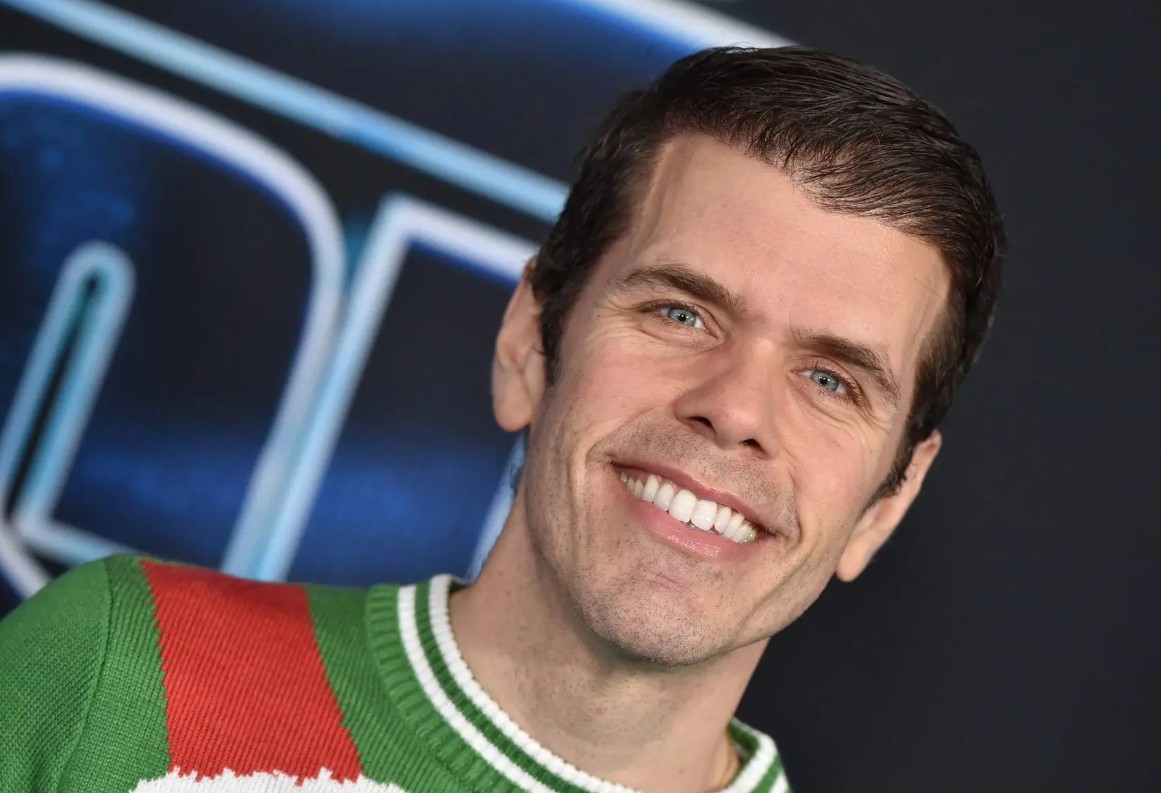
As the viewer count climbed—fueled by algorithmic pushes that reward high user retention and comment velocity—Hilton’s behavior escalated from eccentric to outright bizarre. According to viewers who clipped and reposted segments of the stream across X (formerly Twitter), Instagram, and Reddit, Hilton began pacing around his room, screaming incoherently at the chat, and performing chaotic stunts.
The climax of the stream—if it can be called that—arrived when Hilton appeared to produce containers of a dark, viscous, blood-like substance. Rather than explaining the prop or treating it as a theatrical gag, he proceeded to smear it across his face, hair, and clothing while continuing his frantic monologue. Covered head-to-toe in the red substance, with wild eyes and erratic gestures, he looked less like an internet personality and more like a character from a psychological horror film.
For the thousands of viewers watching live, the reaction was immediate and polarized. Some in the chat egged him on, sending digital gifts, laughing at the absurdity, and spamming chat commands to push the stream further into chaos. Others, however, expressed genuine alarm. Comments flooded the chat asking if he was having a psychotic break, questioning his safety, and begging him to log off. Within minutes, clips of the stream were ripped from TikTok and distributed across the wider internet, sparking widespread concern and immediate condemnation.
The Algorithmic Trap and the Desperation for Relevance
The incident immediately triggered a massive wave of commentary across digital media, with analysts, psychologists, and internet historians dissecting what drove a 40-something veteran internet personality to stage such a bizarre spectacle.
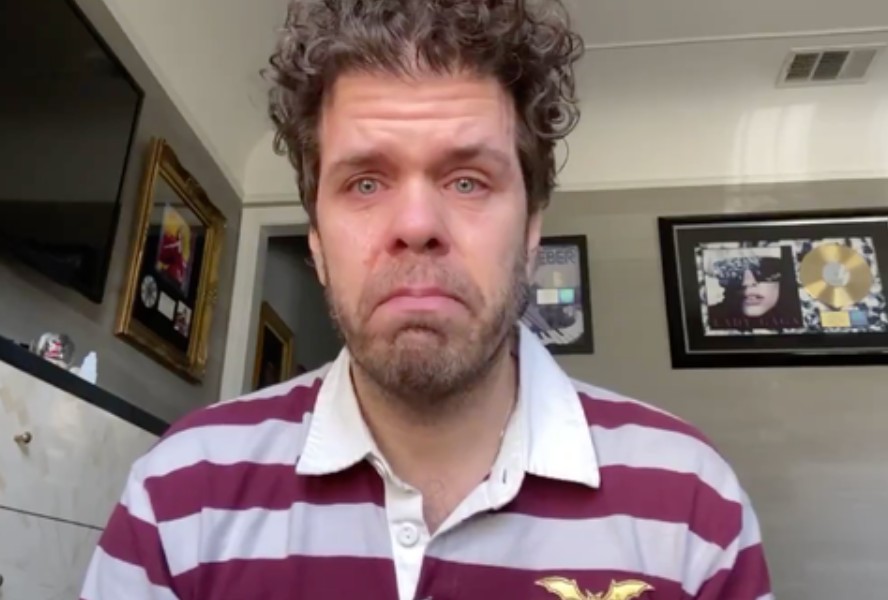
At the heart of the issue lies the brutal economic and psychological reality of the modern attention economy. Legacy creators who achieved fame in an entirely different era of the internet often struggle to maintain organic relevance as algorithms prioritize hyper-fast trends, younger creators, and extreme emotional triggers. For someone like Hilton, whose career was built entirely on living in the center of the cultural conversation, fading into obscurity is perceived as a fate worse than infamy.
TikTok’s live-streaming infrastructure is uniquely designed to reward erratic behavior. The platform relies on real-time engagement loops: the more shocking, confusing, or controversial a stream is, the longer users stay to see what happens next. The algorithm responds to this retention by pushing the stream to wider audiences, creating a feedback loop that encourages creators to push boundaries further and further just to maintain engagement.
By smearing himself in fake blood and acting out a chaotic scene, Hilton effectively hacked the algorithm. He generated millions of impressions, hundreds of thousands of views, and widespread media coverage. But this short-term boost in visibility came at a catastrophic cost to his dignity, credibility, and public image.
Mental Health in the Age of Constant Broadcasting
Beyond the cynical calculus of internet algorithms, the incident has reignited a deeply serious conversation about the intersection of mental health and round-the-clock digital broadcasting.
In recent years, the internet has witnessed numerous tragic instances of public figures, influencers, and streamers experiencing severe mental health crises in front of live audiences. The pressure to perform, combined with the anonymity and cruelty of millions of internet trolls, creates a uniquely toxic environment. When a creator is isolated in a room talking to a screen, the boundaries between reality and digital performance begin to blur.
Many mental health advocates who reviewed the footage of Hilton’s stream pointed out that his behavior did not just look like a calculated publicity stunt; it bore the hallmarks of deep psychological distress or emotional exhaustion. Whether the blood was purely theatrical or a manifestation of something much darker, the willingness to subject oneself to public humiliation for the sake of digital engagement points to a profound systemic issue within modern social media culture.
Critics on social media did not hold back. Many pointed out the profound irony of Hilton—who spent decades tearing down the mental health and personal lives of celebrities for his own financial gain—now seemingly unraveling in public view. Yet, even among those who have long criticized his career, there was an underlying sense of discomfort. Watching a human being publicly degrade themselves for the amusement of a digital mob is a sobering reminder of the darker side of internet fame.
The Fallout and the Future of the “Gossip King”
As the dust settles on the viral incident, the long-term fallout for Perez Hilton remains uncertain. TikTok platforms have strict community guidelines regarding self-harm, dangerous stunts, and bloody imagery, and while the substance was reportedly fake, such streams frequently trigger automated bans or temporary suspensions.
More damaging than any platform penalty, however, is the permanent erosion of his public standing. For years, Hilton has tried to convince the world and potential brand partners that he has matured, that he is a responsible father, and that his days of malicious shock value are behind him. With a single manic, blood-soaked broadcast, he managed to undo years of careful reputation management, cementing his status in the public consciousness not as an evolved media commentator, but as a desperate digital relic willing to do anything for a moment of attention.
The spectacle serves as a cautionary tale for the entire influencer ecosystem. As platforms continue to reward extremism and shock value, creators are constantly tempted to cross lines from which they cannot return. For Perez Hilton, the journey from dominating Hollywood tabloids to smearing fake blood on a TikTok live stream is a tragic illustration of what happens when an internet addict refuses to step away from the spotlight, even when the lights go out.
News -Ari Fletcher Moneybagg Yo Head Leak Video and The Spotlight
The Tbvnks Leak Video and Camryn LaVine Controversy
Tbvnks Leak Video and Camryn LaVine Controversy
Shiloh Hendrix Video and The Minnesota Park Incident
Corey Ruiz Shooting Video and The Justice Demanded
Bobby Joe Blythe Video and Anatomy of a Viral Combat Horror Film
Zenobia Weatherspoon Video and A Grim Saturday Evening