Jonathan Gerlach Video and Pennsylvania Cemetery Robberies
A historic cemetery in Pennsylvania became the center of one of the most disturbing criminal investigations in recent memory after police uncovered a calculated, months-long series of grave robberies involving stolen human remains, underground vaults, and an alleged online trafficking operation. Authorities say 34-year-old Jonathan Gerlach systematically targeted Mount Moriah Cemetery in Yeadon, rappelling into mausoleums, prying open burial chambers, and removing remains dating back more than a century.
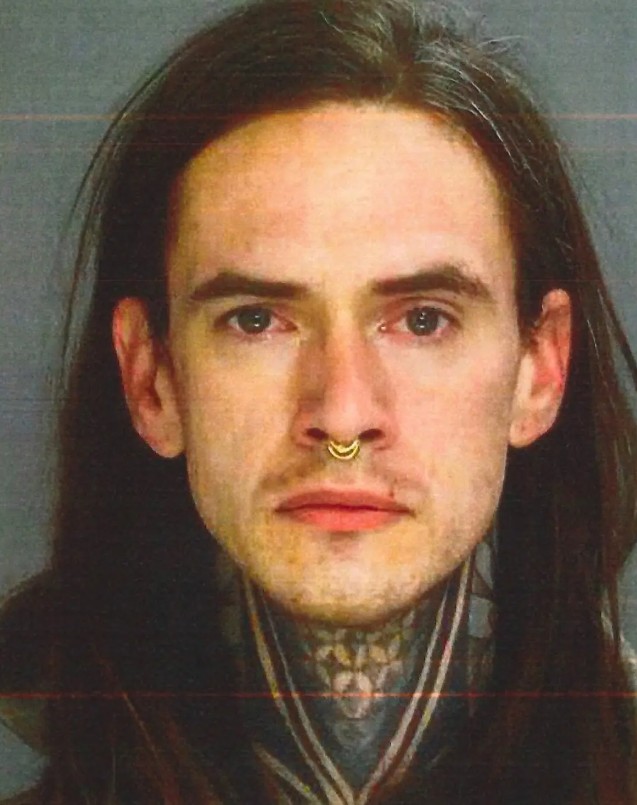
The scope of the crimes, which allegedly spanned from early November through late December, shocked law enforcement and devastated families who believed their loved ones were resting undisturbed. Gerlach now faces more than 500 criminal charges as investigators work to identify victims and return stolen remains.
Contents
- A Sacred Place Violated and Full Video
- A Chilling Method of Entry
- Crimes Multiply Across the Cemetery
- A Pattern Beyond One Cemetery
- Families Speak Out
- December Surge: Dozens of Remains Taken
- Disturbing Tips and Online Evidence
- Surveillance and Arrest
- Search Warrants Reveal the Full Scope
- A Long Road to Identification and Justice
A Sacred Place Violated and Full Video
Mount Moriah Cemetery is more than a burial ground. It is a historic site where generations of families laid their loved ones to rest, some as far back as the 1800s. Maintained in part by a volunteer group called Friends of Mount Moriah, the cemetery has long been considered a place of quiet reflection and remembrance.
Uncensored Full Video Inside Jonathan Gerlach’s Home Reveals the Unthinkable
That sense of peace was shattered on November 7, when Yeadon Borough police were called to the cemetery after volunteers discovered extensive damage inside the Hunter family mausoleum. Inside, investigators found broken cinderblocks, shattered marble flooring, and crypts exposed below ground.
“It’s the last thing we can do for people is to honor their wishes and to not disturb them,” said Barbara Kilmartin, who has family members buried at Mount Moriah. “I just can’t understand why somebody would do that.”
A Chilling Method of Entry
What immediately alarmed investigators was the method used to access the graves. Court documents describe a rope tied to a tree branch and fitted with a carabiner hanging into one of the mausoleums. The setup suggested the suspect had rappelled approximately 10 feet down into underground crypts, demonstrating not only physical ability but careful planning.
As police examined the scene, it became clear this was not an act of random vandalism. The damage was deliberate and precise, indicating someone who knew exactly what they were looking for and how to get it.
Crimes Multiply Across the Cemetery
In the weeks following the initial burglary, reports of damage continued to mount. Police documented break-ins at multiple mausoleums and underground vaults across different sections of Mount Moriah.
The Jonathan Prichard family mausoleum was among those targeted. Five of its nine crypts were damaged, and investigators later determined that the remains of Mary Prichard Steigleman, who died in 1940, were missing. Nearby mausoleums also showed signs of attempted entry and destruction.
At several scenes, police recovered what would become crucial forensic evidence: Monster Energy drink cans and cigarette butts left among the debris. These items were processed for DNA and fingerprints as investigators worked to identify a suspect.
A Pattern Beyond One Cemetery
The investigation soon expanded beyond Mount Moriah. In Plains Township, Luzerne County, police responded to a separate cemetery burglary where human remains were found wrapped in clear plastic just outside a damaged mausoleum.
Once again, investigators recovered cigarette butts and energy drink cans. The similarities in method, evidence, and execution led police to link the Luzerne County burglary to the Mount Moriah cases, suggesting a serial pattern of grave desecration.
Families Speak Out
As news of the investigation spread, families with loved ones buried at Mount Moriah began visiting the cemetery, many overwhelmed by anger and grief.
“My great-grandparents are buried here,” said Kristy Cole. “Of course, there’s anger and sadness. Nobody should be treated this way after life.”
For many families, the emotional toll went beyond the physical damage. The thought that remains had been stolen, handled, or sold was deeply unsettling, reopening old wounds and creating new ones.
December Surge: Dozens of Remains Taken
According to affidavits, December marked a significant escalation in the crimes. Gerlach allegedly focused heavily on underground vaults, prying heavy stone and marble slabs out of place to access burial chambers located 10 to 12 feet below ground.
On December 20 alone, police say four underground vaults were burglarized. Multiple sets of remains were reported missing from the Slack, Ogden, McCullough, and Louber family plots. In the days that followed, additional vaults were damaged, including those belonging to the Campbell, Ziegler, Hasson, and Charlton families.
Investigators now believe dozens of sets of human remains were stolen during this period.
Disturbing Tips and Online Evidence
In December, police received a tip that significantly shifted the investigation. The caller alleged that a partially decomposed corpse had been discovered hanging in Gerlach’s basement and claimed that Gerlach had been “in Chicago selling a human skull.”
As investigators dug deeper, they uncovered online activity tied to Gerlach. Court records describe posts in a “Human Bones and Skull selling group,” where buyers thanked him for mailing remains described as “a possible teen,” as well as animal skulls. Other social media posts allegedly showed Gerlach posing with a skull, captioned, “riding a Harley, and slinging skulls.”
“Frightening, absolutely frightening,” Kilmartin said after learning of the posts. “I can’t imagine the type of people and what they’d want to use it for.”
Surveillance and Arrest
Police ultimately connected Gerlach to the cemetery burglaries using vehicle and phone records. After spotting his vehicle parked at Mount Moriah on December 23, officers resumed surveillance in early January.
On January 6, investigators observed Gerlach returning to the cemetery. He allegedly left carrying a burlap bag and a crowbar. When officers stopped and arrested him, they reported seeing bones and skulls inside his vehicle.
According to police, Gerlach admitted to stealing approximately 30 sets of human remains from Mount Moriah and explained how he accessed the burial sites.
Search Warrants Reveal the Full Scope
The day after his arrest, police executed search warrants at Gerlach’s Lancaster County home and a storage unit. What they found stunned even seasoned investigators.
Court documents state that more than 100 human skulls, long bones, and mummified human hands and feet were recovered from Gerlach’s basement. Inside the storage unit, investigators found eight corpses, additional body parts, ashes, jewelry, and clothing believed to have been taken from graves.
“In my 30-year career, probably one of the most horrific things,” said Yeadon Borough Police Chief Henry Giammarco. He described finding infant remains as especially devastating. “When people are laid to rest, that’s important.”
A Long Road to Identification and Justice
Identifying the victims and notifying families will be a lengthy and complex process. Many of the burial records date back to the 1800s and exist only in handwritten books.
“Right now, we’re in the process of notifying families,” Giammarco said. “The records are so old. We have to go through them carefully to figure it all out.”
Gerlach now faces more than 500 criminal charges, and authorities say the investigation remains active. Police are urging anyone with loved ones buried at Mount Moriah who has concerns to contact Yeadon Borough Police.
“The remains are old, but when they lived, they had a life. They mattered,” Giammarco said. “It was important to us to get justice. Hopefully justice will be served.”
News -Minneapolis Shooting Ice Video and Official Claims
Anthony Joshua Car Crash Accident Video in Nigeria on X/Twitter
Princess Diana Autopsy Details and the Final Medical Explanation
Bondi Beach Shooting Video and The Australia Shooting
Brown University Shooting Video and Leaves Multiple Dead
Anna Kepner Surveillance Video and Family Allegations
Nicole Staples Video and The Alabama Teacher Arrested