NAU Student Death Video and The After Fraternity Rush Sparks
The Northern Arizona University community is reeling after the death of an 18-year-old student who was found unresponsive following a fraternity rush party, an incident that has led to the arrest of three fraternity members and renewed scrutiny of hazing culture on college campuses across the United States. What began as a routine social event tied to Greek life has now become a criminal investigation marked by grief, unanswered questions, and allegations that the tragedy was entirely preventable.
Contents
- A Night That Ended in Tragedy and Video
- Emergency Response and Failed Life-Saving Efforts
- Arrests and Criminal Charges
- Hazing and the Dark Side of Greek Life
- Student Reactions: Shock, Anger, and Grief
- A Neighbor’s Perspective
- Northern Arizona University Responds
- Delta Tau Delta International Takes Action
- What Remains Unknown
- Trauma Beyond the Headlines
- A National Reckoning Over Hazing
- What Comes Next
A Night That Ended in Tragedy and Video
According to Flagstaff police, the student attended a rush event for the Delta Tau Delta fraternity on Friday night, where alcohol was reportedly consumed by several attendees, including the victim. Rush events are typically designed to introduce potential new members to fraternity life, emphasizing brotherhood and belonging. However, investigators believe that activities during the gathering may have crossed dangerous lines.
Close-up video of the NAU student’s death
In the early hours of the following morning, the student was taken to a home on South Pinegrove Road, roughly one mile from the NAU campus. At approximately 8:44 a.m. on January 31, police received a call reporting an unresponsive individual inside the residence.
Emergency Response and Failed Life-Saving Efforts
When officers arrived, bystanders inside the home had already begun CPR. Police continued life-saving measures until paramedics reached the scene, but despite these efforts, the student could not be revived. The Flagstaff Police Department later confirmed that the individual was not breathing upon their arrival.
The scene was chaotic and emotionally charged, underscoring the gravity of what had occurred only hours after a fraternity event meant to welcome new students. For many involved, the realization that a peer had died was both shocking and deeply traumatic.
Arrests and Criminal Charges
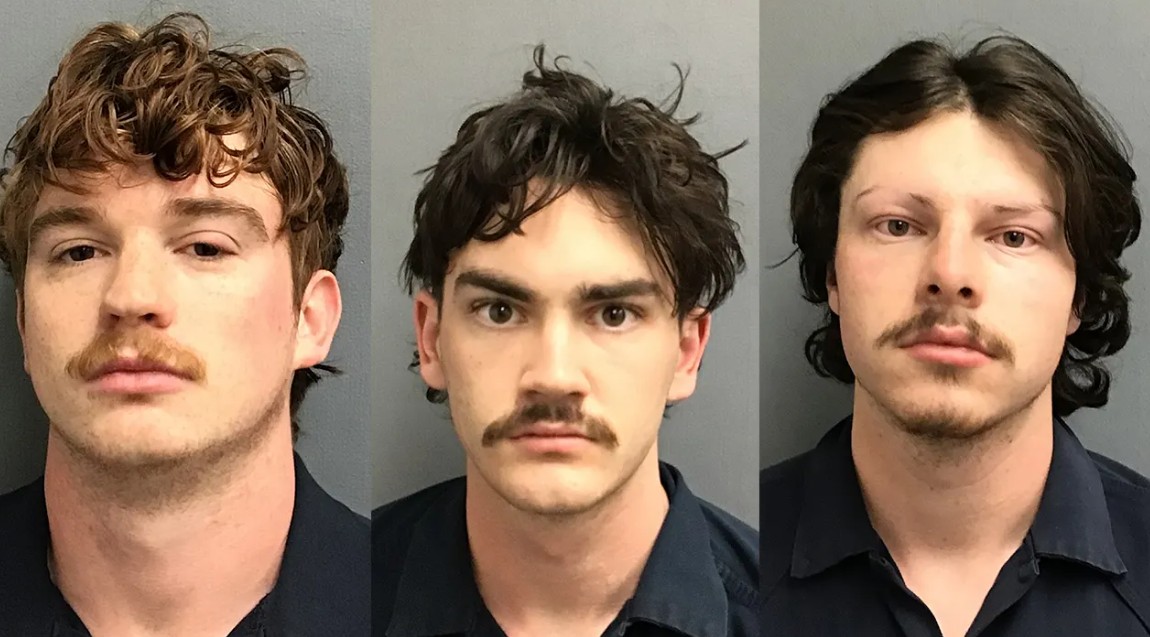
In the days following the incident, investigators arrested three members of the Delta Tau Delta fraternity’s executive board. Carter Eslick, 20, the new member educator; Ryan Creech, 20, the vice president; and Riley Cass, 20, the treasurer, were all charged with hazing. Each was booked into the Coconino County Detention Facility.
Their roles within the fraternity placed them in positions of authority, particularly during rush and initiation activities. Law enforcement has not detailed the specific actions that led to the charges, but hazing allegations suggest that the student may have been subjected to dangerous or coercive behavior.
Under Arizona law, hazing is a criminal offense when it endangers physical health or safety. Depending on the investigation’s outcome, the charges could carry serious legal consequences.
Hazing and the Dark Side of Greek Life
Hazing has long been a controversial issue in college Greek systems. While often dismissed by participants as tradition or bonding, hazing frequently involves excessive alcohol consumption, physical endurance challenges, humiliation, or coercion. In extreme cases, these practices have resulted in severe injury or death.
Across the United States, multiple student deaths over the past decade have been linked to fraternity hazing, prompting universities and lawmakers to strengthen regulations. The NAU case now joins a growing list of tragedies that highlight the risks of unchecked fraternity culture.
Student Reactions: Shock, Anger, and Grief
The death has sent shockwaves through the NAU campus, particularly among students who say the loss feels senseless. One student described the incident as surreal, saying it felt preventable and never should have happened.
Others expressed sorrow over the fact that the victim was only in their second semester of college, still at the very beginning of their academic and personal journey. For many students, the tragedy has raised fears about safety at social events and frustration over a culture that can prioritize loyalty and silence over well-being.
A Neighbor’s Perspective
Residents living near the house where the student was found also witnessed the aftermath. Don P., who lives across the street, recalled seeing an overwhelming emergency response that immediately signaled something was wrong.
He described watching ambulances, police vehicles, and a fire truck line the street as officers spent hours interviewing people inside the home. While fraternity parties were not uncommon at the residence, he said this was the first time anything had turned fatal.
The moment that stayed with him most was seeing a stretcher brought into the house and then removed without anyone on it—a visual confirmation that the situation had ended in loss.
Northern Arizona University Responds
In an official statement, Northern Arizona University confirmed it is mourning the student’s death, calling the loss devastating to the campus community. The university emphasized that student safety and well-being are its highest priorities and strongly condemned hazing in all forms.
NAU placed the Delta Tau Delta fraternity on interim suspension pending the outcome of the investigation. This suspension halts all fraternity activities and signals that the university is taking the allegations seriously.
University officials have also encouraged students affected by the incident to seek counseling and mental health support, recognizing the emotional toll such a tragedy takes on peers.
Delta Tau Delta International Takes Action
The national Delta Tau Delta organization also issued a statement addressing the incident. The fraternity prohibited the NAU chapter from all activities during the investigation and reaffirmed its stance against hazing.
In its statement, the organization said it “strongly rejects” hazing, emphasizing that brotherhood is built on trust and respect, not coercion or harm. National organizations often face criticism for failing to adequately supervise local chapters, and this case may test how enforceable those values truly are.
What Remains Unknown
Despite the arrests, many critical details remain unclear. Authorities have not released the student’s identity, and the official cause and manner of death have yet to be determined. Toxicology results and autopsy findings are expected to play a key role in the investigation.
It is also unknown what specific activities took place during the rush event or how the student’s condition deteriorated in the hours leading up to the emergency call. Investigators continue to review evidence and interview witnesses.
Trauma Beyond the Headlines
Beyond the legal questions, the incident has left lasting emotional scars. Those who were present in the house that night may carry the trauma of witnessing a peer’s death for years to come. Mental health experts note that such experiences can have long-term psychological effects, particularly on young adults.
The broader Flagstaff community has also been affected, with many residents expressing sympathy for the family and calling for meaningful change.
A National Reckoning Over Hazing
The NAU case has reignited national debate over whether fraternity systems can truly eliminate hazing. Critics argue that traditions rooted in secrecy and power imbalance create conditions where dangerous behavior flourishes. Supporters counter that Greek life can offer positive social and professional benefits when properly regulated.
Universities across the country are now watching closely, as the outcome of this investigation may influence future policies and enforcement practices.
What Comes Next
As the investigation continues, prosecutors will determine whether additional charges are warranted. The arrested fraternity members are expected to face court proceedings, while NAU will conduct its own disciplinary review.
For now, a campus mourns a young life cut short, and a familiar question echoes once again: how many tragedies must occur before hazing is finally eradicated from college culture?
News -2026 Grammy Awards and The Live Stream
Cause of Death Catherine O’Hara Dies at 71 After Brief Illness
Ice Shooting Minneapolis Today Full Video and The Minnesota Shooting
Cooper Camferdam Fight Video and The Incident at Circle K
Zeethewizard Shooting Video and The to Murder Arrest
Jonathan Gerlach Video and Pennsylvania Cemetery Robberies
Minneapolis Shooting Ice Video and Official Claims