Princess Diana Autopsy Details and the Final Medical Explanation
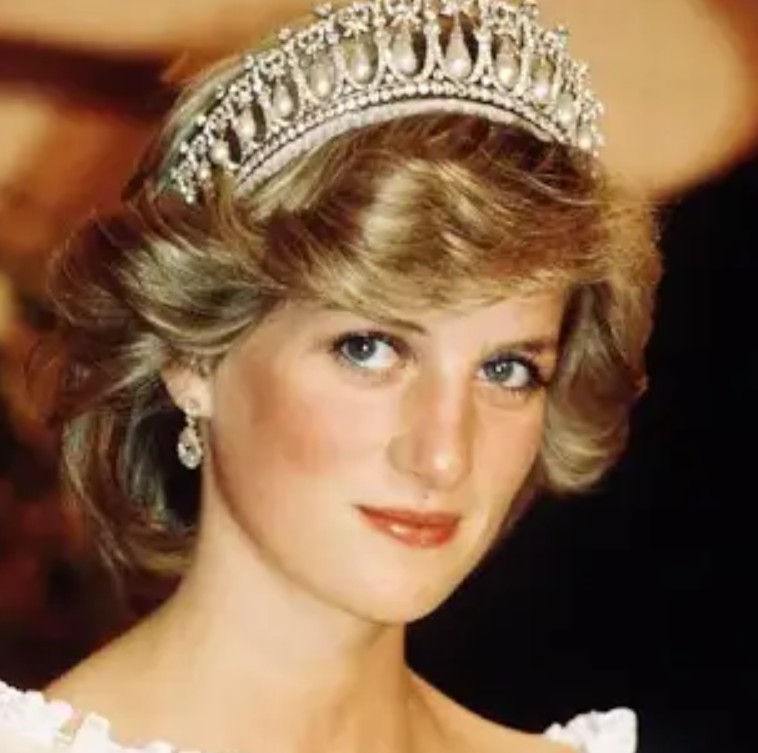
The death of Princess Diana on August 31, 1997, remains one of the most shocking and emotionally charged events of the modern era. Known globally as “The People’s Princess,” Diana was admired not only for her royal status but also for her compassion, vulnerability, and humanitarian work. Her sudden death in a car crash in Paris sent shockwaves across the world, prompting an unprecedented outpouring of grief and sparking debates that continue decades later.
Contents
- Early Life and Aristocratic Background
- Marriage Into the Royal Family
- Strain, Separation, and Divorce
- Life After Divorce and Relationship With Dodi Fayed
- The Night of August 31, 1997
- Immediate Aftermath and Emergency Response
- Final Hours and Cause of Death
- Breaking the News and Public Reaction
- Investigations and Inquests
- Controversies and Unanswered Questions
- Repatriation and Funeral
- Legacy of the People’s Princess
Early Life and Aristocratic Background
Diana Frances Spencer was born on July 1, 1961, at the Sandringham estate in Norfolk, England. She was the daughter of John Spencer, Viscount Althorp, and Frances Shand Kydd. Born into British nobility, Diana already held the title of Lady Diana Spencer long before she entered the royal family. Despite her aristocratic background, those who knew her described her as shy, gentle, and deeply sensitive.
Her childhood was marked by family upheaval, including her parents’ divorce, which had a lasting emotional impact on her. Diana attended several boarding schools and later trained as a nursery school teacher’s assistant, a role that reflected her natural warmth and affection for children.
Marriage Into the Royal Family
Diana’s life changed forever when she became engaged to Prince Charles Philip Arthur George, the Prince of Wales, in 1981. Their wedding was hailed as a modern fairy tale, watched by hundreds of millions of people around the world. Upon marriage, Diana became Her Royal Highness The Princess of Wales, one of the most visible and scrutinized women on the planet.
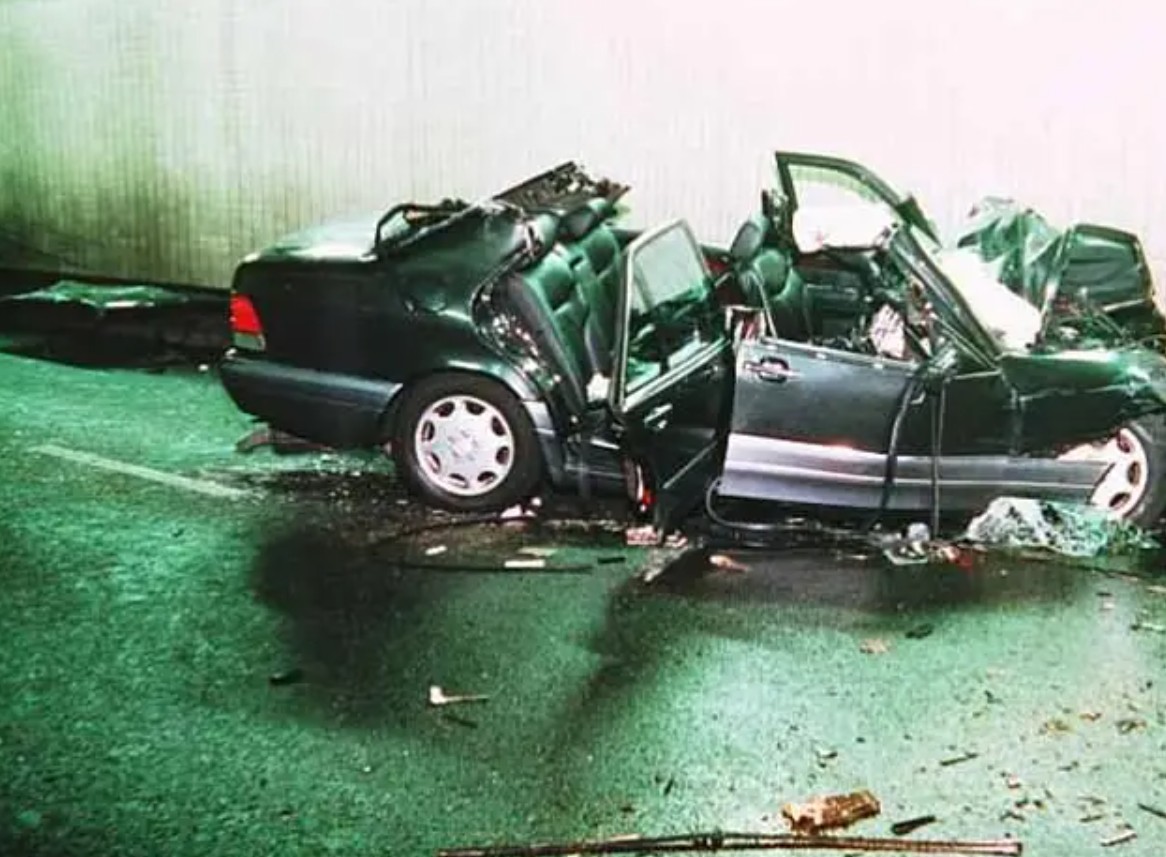
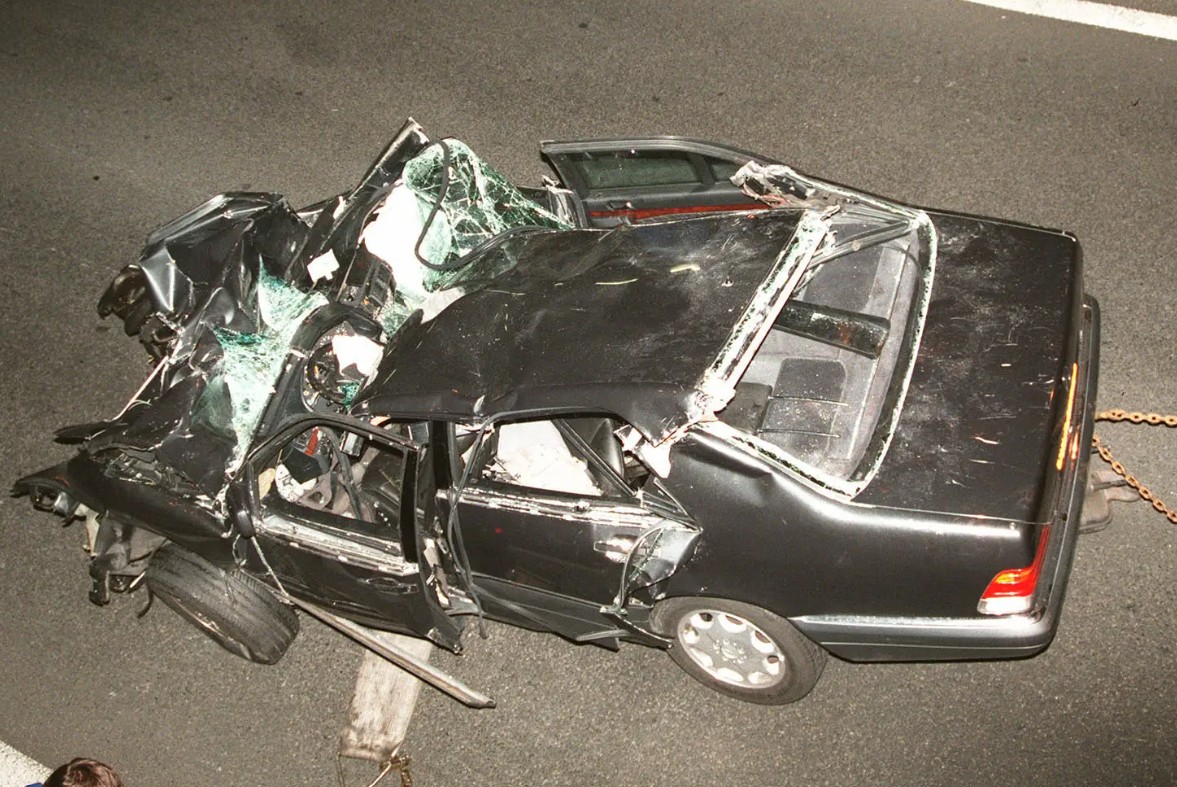
Uncensored images of Princess Diana’s accident
princess-diana-autopsy-photos.jpg
The couple had two sons, Prince William and Prince Harry, and Diana quickly became beloved by the public for her warmth, accessibility, and hands-on approach to motherhood. However, behind the scenes, the marriage was deeply troubled.
Strain, Separation, and Divorce
As media attention intensified, cracks in the royal marriage became increasingly visible. Prince Charles maintained a long-standing relationship with Camilla Parker Bowles, a fact that contributed significantly to the breakdown of the marriage. Diana herself later spoke openly about the emotional strain she endured, including struggles with mental health and bulimia.
The couple officially separated in 1992 and finalized their divorce in 1996. Though Diana lost the title of Her Royal Highness, she remained Princess of Wales and continued to be a prominent public figure. Free from royal constraints, she sought greater independence while remaining devoted to her children and charitable causes.
Life After Divorce and Relationship With Dodi Fayed
Following her divorce, Diana focused on humanitarian work, particularly campaigns against landmines and efforts to destigmatize HIV/AIDS. During this period, she began a relationship with Dodi Fayed, the son of Egyptian billionaire Mohamed Al-Fayed. Their relationship quickly became the subject of intense media scrutiny, with paparazzi following their every move.

In the summer of 1997, Diana and Dodi spent time together in the Mediterranean before traveling to Paris, where the final chapter of Diana’s life would unfold.
The Night of August 31, 1997
On the night of August 31, Diana and Dodi left the Ritz Hotel in Paris, which was owned by Dodi’s father. They entered a Mercedes-Benz along with the driver, Henri Paul, and bodyguard Trevor Rees-Jones. As they departed, paparazzi on motorcycles pursued the vehicle through the streets of Paris.
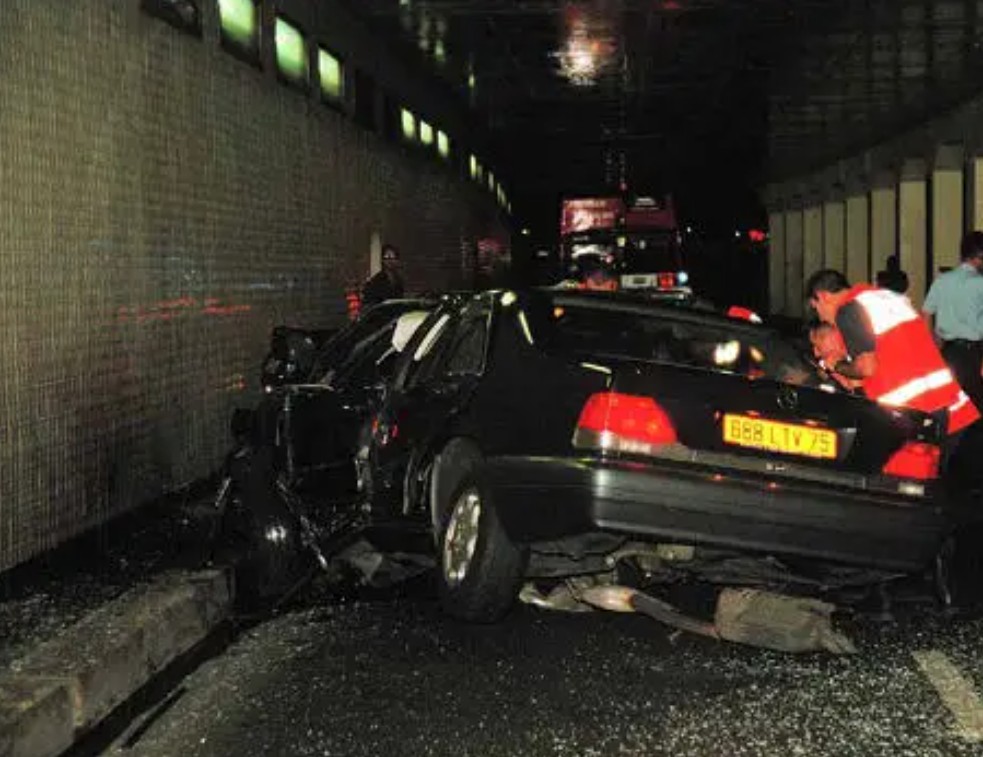
Shortly after midnight, the car entered the Pont de l’Alma tunnel at high speed. According to French police, the vehicle lost control and crashed violently into a concrete pillar. The impact was catastrophic, sending the car spinning across the tunnel.
Immediate Aftermath and Emergency Response
Dodi Fayed and Henri Paul were pronounced dead at the scene. Diana and Trevor Rees-Jones were found alive but critically injured. An off-duty physician was among the first to reach Diana, noting that while there were no obvious external injuries, she was in severe shock.
Diana reportedly regained consciousness and is believed to have spoken briefly, including expressing distress toward photographers who continued taking pictures after the crash. These words are often cited as her final expressions.
During rescue efforts, Diana suffered cardiac arrest but was temporarily resuscitated. She was placed into an ambulance around 1:18 a.m., though it did not depart immediately. The ambulance arrived at Pitié-Salpêtrière Hospital at approximately 2:06 a.m.
Final Hours and Cause of Death
Despite extensive medical intervention, Diana’s injuries were too severe. She had suffered massive internal trauma, including displacement of her heart and a torn pulmonary artery caused by the violent impact. At around 4:00 a.m., she died in hospital. Her death was publicly announced shortly afterward, devastating millions around the world.
Breaking the News and Public Reaction
At 4:01 a.m., ITV News reported Diana’s death. By dawn, mourners began gathering outside Buckingham Palace, Kensington Palace, and other royal residences. Buckingham Palace released a statement later that morning, while Prince Charles and Queen Elizabeth II reportedly ordered that Princes William and Harry be shielded from television coverage.
The public response was overwhelming. Seas of flowers, handwritten notes, and candles transformed royal gates into spontaneous memorials. The grief was global, transcending national and cultural boundaries.
Investigations and Inquests
French authorities initially concluded that driver Henri Paul was intoxicated, later revealing he was more than three times over the legal alcohol limit. In 1999, French courts upheld the ruling that Paul was primarily responsible for the crash.
However, a British inquest in 2008 added nuance to the findings. The jury concluded that Diana and Dodi were unlawfully killed due to a combination of Paul’s impaired driving and the reckless behavior of pursuing paparazzi. It was also confirmed that none of the car’s occupants were wearing seatbelts, a factor believed to have contributed significantly to the fatalities.
Controversies and Unanswered Questions
The investigations also explored claims that the Mercedes had collided with a white Fiat Uno, whose driver was never conclusively identified. While a man named Le Van Thanh was considered, he was ultimately ruled out by authorities. Despite official conclusions, conspiracy theories persisted, fueled by public distrust and the extraordinary circumstances of Diana’s death.
Repatriation and Funeral
Later that day, Prince Charles and Diana’s sisters traveled to Paris. They visited the hospital, thanked medical staff, and accompanied Diana’s body back to the United Kingdom. Thousands lined the roads as her coffin was transported for post-mortem examination.
Diana’s funeral took place on September 6, 1997, and was watched by an estimated 2.5 billion people worldwide. World leaders, celebrities, and dignitaries attended, including the First Ladies of the United States and France. Elton John’s reworked tribute, “Candle in the Wind,” became an enduring symbol of the moment.
Diana was laid to rest at Althorp, her family estate, on an island in the middle of a lake, in a private ceremony.
Legacy of the People’s Princess
Princess Diana’s death marked a turning point in the relationship between the monarchy, the media, and the public. Her compassion, vulnerability, and defiance of royal convention reshaped public expectations of royalty. Decades later, her legacy lives on through her sons, her charitable work, and the lasting image of a woman who changed the world simply by being human.
Her life ended tragically, but her influence endures—etched into history as one of the most beloved figures of the 20th century.
News -Bondi Beach Shooting Video and The Australia Shooting
Brown University Shooting Video and Leaves Multiple Dead
Anna Kepner Surveillance Video and Family Allegations
Nicole Staples Video and The Alabama Teacher Arrested
Tom Garratt Video Goes Viral and Everything You Need to Know
Nainai Jumping Video and the Growing Crisis of Youth
Maddie Kowalski Video and UF Florida Student at Eiffel Tower